In this post I’m going to give you the list of the top 10 plants I want to grow this year as well as some others I’m growing for fun. I’m also going to give you some advantages or uses of each the plants I mention. Let’s dig right in!

I’ll admit, I have a bit of a brown thumb. My plants germinate and sprout easily enough, growing into beautiful little plants and then somehow I over love them. Either I put them outside on what I think will be a sunny day, only to have a cold wind blow through. Or I over water them, and then they look sad so I water more and keep aggravating the issue.
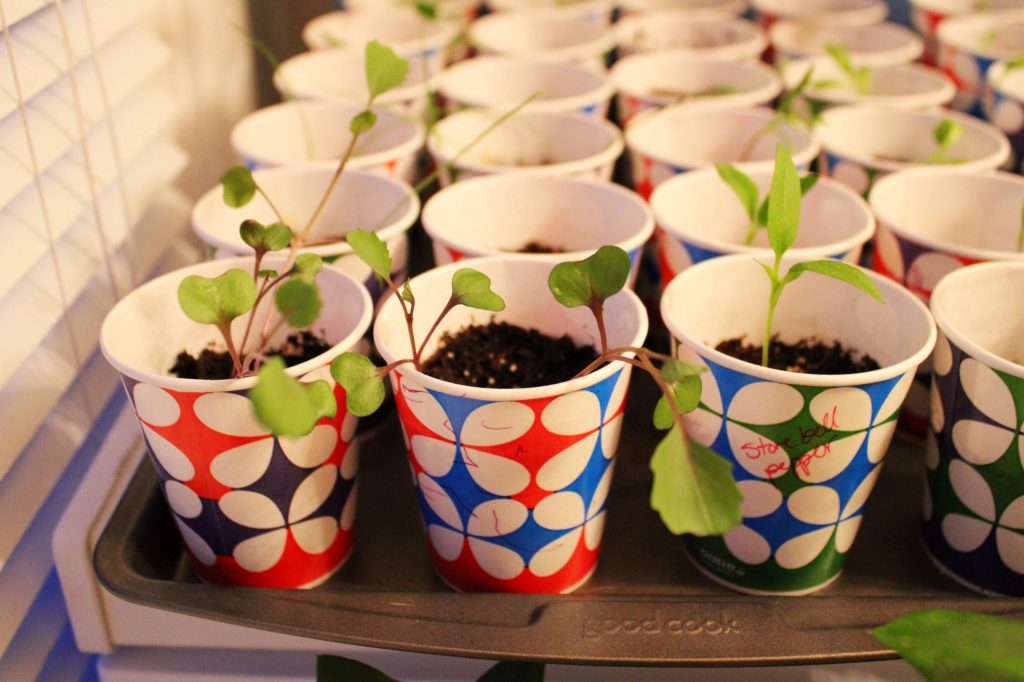
This year, however, I did something I always skipped before. I’ve researched the plants I’m growing. I know this seems like an obvious tip, but somehow I never looked up specific needs of my plants or their particular signs of distress the previous times I’ve tried to grow plants. For this post I’m going to break my list into categories of vegetables, herbs, then foraged plants.
Vegetable Plants I’m Growing:
Cabbage
Cabbage can be used in many dishes, but my main goal for growing cabbage this year is to make sauerkraut. I’ve heard plenty of information about the benefits of fermented foods and I’m excited to try my hand at sauerkraut. Once I get an establish process, I’ll make sure to share with you guys. Fermented foods boost digestive health which in turn reduces stress, and improves overall health.
Kale
We’re starting to incorporate more salads into our diet so I wanted to grow a leafy green to add into our salads. I was wanting a spinach or kale and kale is what I found seeds for first. Kale is often called a superfood, and it definitely works hard for that title. It’s low in calorie, but very nutrient-dense. It can help with heart health and is loaded with antioxidants and with vitamins A and K.
Celery
I use celery in soups, for juicing, snacking, and in potato salad, depending if I use my mom’s or my mother in laws recipe. Celery is full of goodness including antioxidants, vitamin C, fiber, and it’s anti-inflammatory.
Onion
We love onion in this house. Using onion is one of the easiest ways to add flavor to a dish in my opinion. Whether it’s fresh on a hamburger, slow cooked with a roast, or sautéed and added to fajitas. Onions have several health benefits, just like the other plants on this list. They contain anti-oxidants, support immune health, and contain vitamins A, C, and E.
Carrots
Another plant I’m growing this year is carrots. Again, carrots are versatile and can be eaten raw, juiced, or added to a number of dishes. Carrots are full of fiber, support healthy hair and skin, and contains potassium, vitamin C and vitamin A.
Herbs I’m Growing:
Garlic
Does garlic count as an herb? Garlic is the most used spice in my kitchen, so it’s close enough in my book. Along with adding amazing flavor it if full of amazing health benefits. Garlic can lower blood pressure, it’s antioxidant and anti-bacterial. It’s also good for lowering cholesterol, boosting your immune system, and reducing the risk of cancer.
Parsley
Parsley is not only a universal herb, but sports a number of benefits like the other plants I’m growing this year. It can help fight diabetes, promote bone health, and boost the immune system. It’s also full of vitamins A, K, and C.
Oregano
Oregano is full of vitamins and minerals including zinc, iron, calcium, magnesium and several others. When used in high concentrations it can help with digestive issues such as bloating or pain, and it can also relieve inflammation and menstrual pain.
Mint
Mint is worth growing for me just to make tea with or chew on a leaf every now and then, but like the other plants in this list it has many benefits. It can aid in weight loss, provide relief from headaches, nausea, fatigue, and depression. If mint is allowed to go to flower it will attract beneficial insects, including pollinators and aphid eaters, and repel unwanted ones such as houseflies, aphids, mosquitos, ants and even mice.
Chives or Green Onions
Similar to full-size onions, these varieties of the allium family support immune health, protect against cancer, boost heart and bone health, and regulate digestion. I love using these milder varieties as just a little boost of flavor adding them in right at the end of the cooking time.
Extra plants:
Along with the plants listed above, I’m also growing a number of others for fun or just to see if I can get them to grow in this short and cold season.
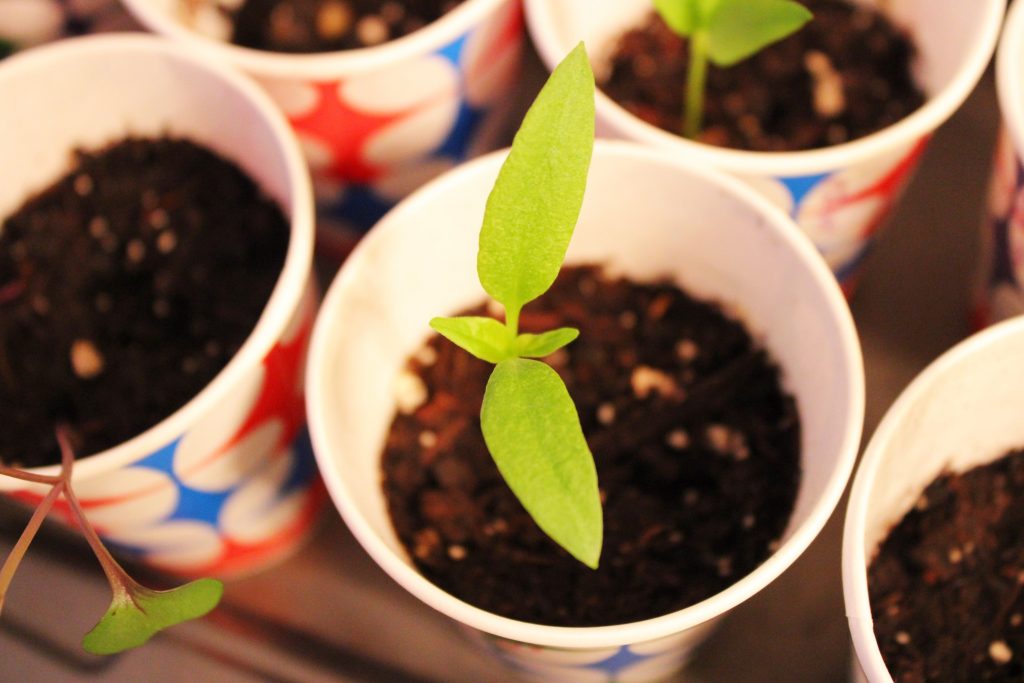
- Bell peppers, both from seeds I saved from an organic grocery store variety, and seeds I purchased at a local feed store.
- Nasturtiums, zinnias, clover, and others from a wildflower seed packet I purchased.
- I’m growing marigolds as well because they are one of my mom’s favorites and they make me smile.
- Potatoes: I’m planning to grow potatoes in a deep plastic storage tote on my back porch. Since we are in a rental I have to get creative with how I can hill-up potatoes. I’m not sure if it will work, but even if it doesn’t, it will be a fun experiment.
- I purchased a tomato start from a local nursery. I wasn’t planning on growing tomatoes because of how cold it can stay even during the summer, but I couldn’t pass up the cute little cherry tomato plant at the farmer’s market.
I hope this post has been informative about the number of health benefits that so many common plants possess, or at least entertaining to know wat it growing in my garden this year. Make sure to check back to see how the plants grow as the season continues.